
Legendary equipment can be extremely valuable in The Blood of Dawnwalker, but collecting every legendary item as soon as you discover it is not always the best strategy.
The reason is simple: items scale to your character level when you actually pick them up. If you collect a legendary weapon very early, keeping it competitive as you level can require repeated investment at a blacksmith. Leaving some legendary items uncollected until later can allow them to scale to your higher level when you finally claim them.
Weapon choice also goes beyond rarity. Different swords have different attack speeds and different weapon arts, meaning two legendary weapons can support completely different playstyles even if both are powerful.
For more individual weapon pages and location guides, visit our The Blood of Dawnwalker Weapons section.
Should You Collect Every Legendary Weapon Early?
No. The gameplay guide specifically recommends against collecting every legendary item immediately at the start of the game.
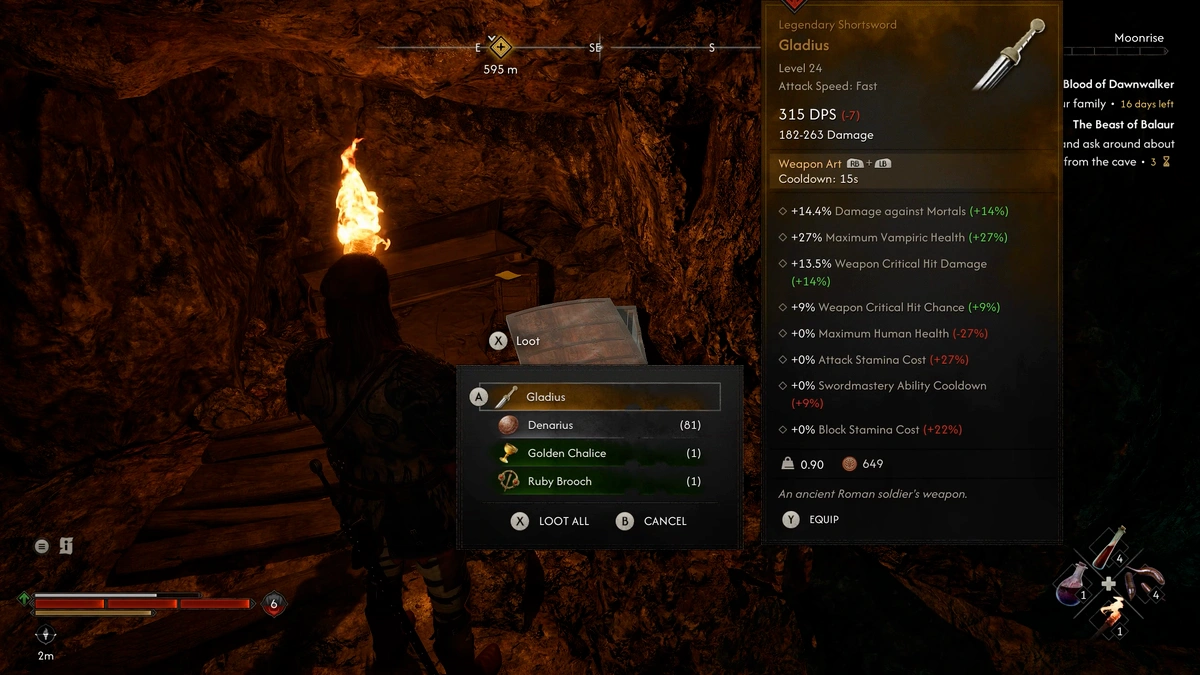
Legendary gear is tempting because it can provide an immediate power increase, but taking every available item early can create unnecessary upgrade costs later.
A more efficient approach is to choose a small number of strong pieces that you actually intend to use for the next part of your playthrough.
The route shown in the video suggests a simple early setup:
- Choose one legendary sword.
- Use one main legendary armor option.
- Take one or two useful pieces of jewelry.
- Leave other legendary items in the world for later.
This lets you build a functional early equipment setup without locking every legendary item to your lower character level.
How Legendary Item Level Scaling Works
The key mechanic behind this strategy is item level scaling.
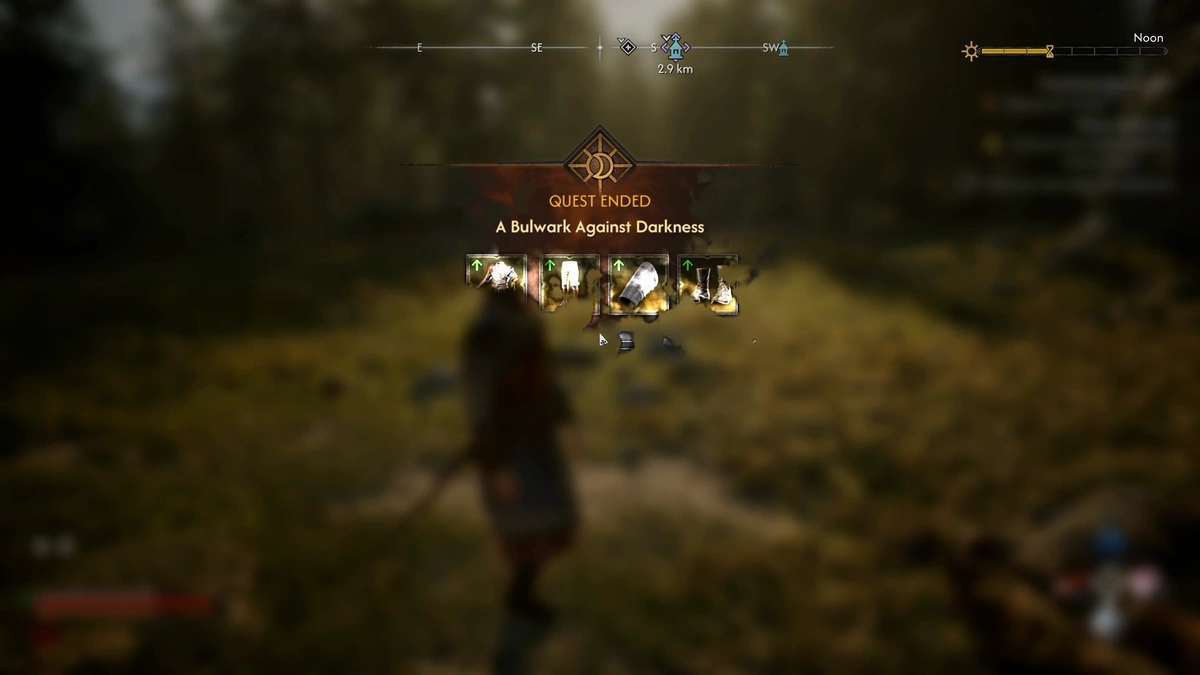
According to the gameplay explanation, items scale to your level when you pick them up from their inventory or container.
That means a legendary item left untouched in the world can be collected later after your character has gained more levels, allowing the item to scale to that later level when you finally claim it.
This creates an important choice whenever you find legendary equipment:
- Take it now for an immediate upgrade.
- Leave it behind and return at a higher level.
Neither option is automatically correct in every situation. The better choice depends on whether you actually need the item right now.
Why Delaying Legendary Pickups Can Save Resources
Collecting a legendary weapon early means you may need to keep upgrading it as your character continues leveling.
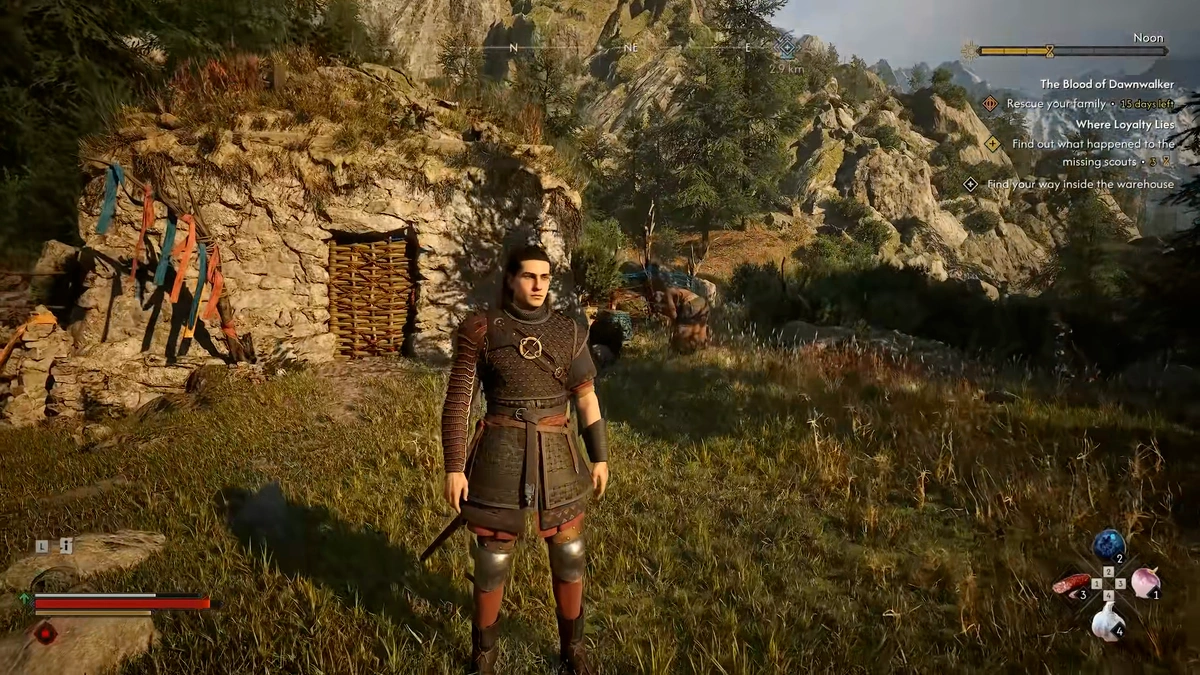
The video warns that continuously raising a low-level legendary weapon to keep it competitive can consume a large amount of resources.
By contrast, leaving some legendary items uncollected gives you the option to return later and obtain them already scaled to your newer character level.
The important point is not to avoid all legendary weapons early. Instead, avoid collecting more than you realistically plan to use.
Should You Upgrade Your Main Legendary Weapon?
Yes, maintaining one main legendary weapon can still make sense.
The guide specifically notes that you can continue focusing resources on the legendary weapon you actually use while leaving other legendary items untouched for later.
This produces a balanced equipment strategy:
- Choose one weapon that fits your current build.
- Use and upgrade that weapon as needed.
- Avoid collecting every alternative legendary immediately.
- Return for other legendary items later when your level is higher.
This is much more efficient than collecting multiple legendary swords early and attempting to keep every one of them upgraded at the same time.
When Should You Pick Up A Legendary Weapon?
The best time depends on whether the weapon provides value to your current build.
Consider taking a legendary immediately when:
- You plan to use it as your primary weapon.
- Its combat style matches your current build.
- You need a stronger weapon for your present progression.
Consider leaving it for later when:
- You already have a strong main weapon.
- The new legendary would sit unused in storage.
- You only want to collect it for a future build.
This approach follows the level-scaling mechanic shown in the video without assuming that every legendary should be delayed until a specific level.
Weapon Speed Changes Your Playstyle
Legendary rarity is not the only factor when choosing a sword. Different weapons also have different attack speeds.
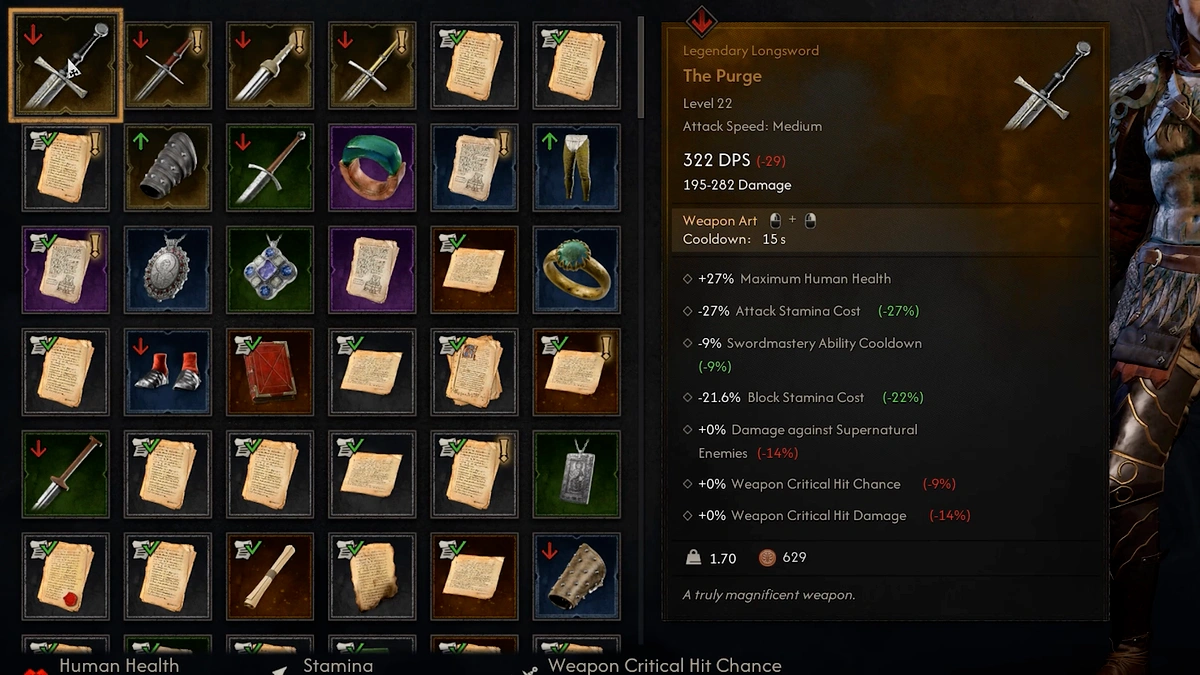
A faster sword allows you to fit more attacks into a short opening, while a slower weapon creates a different rhythm focused more heavily on individual attacks.
The video does not describe slow weapons as bad. Instead, it emphasizes that weapon speed changes how you approach combat.
That means the best legendary weapon is not simply the one with the highest rarity or the most impressive appearance. It should also match the kind of combat rhythm you prefer.
Gladius Is An Example Of A Fast Weapon
The Gladius is used in the gameplay commentary as an example of a fast sword.
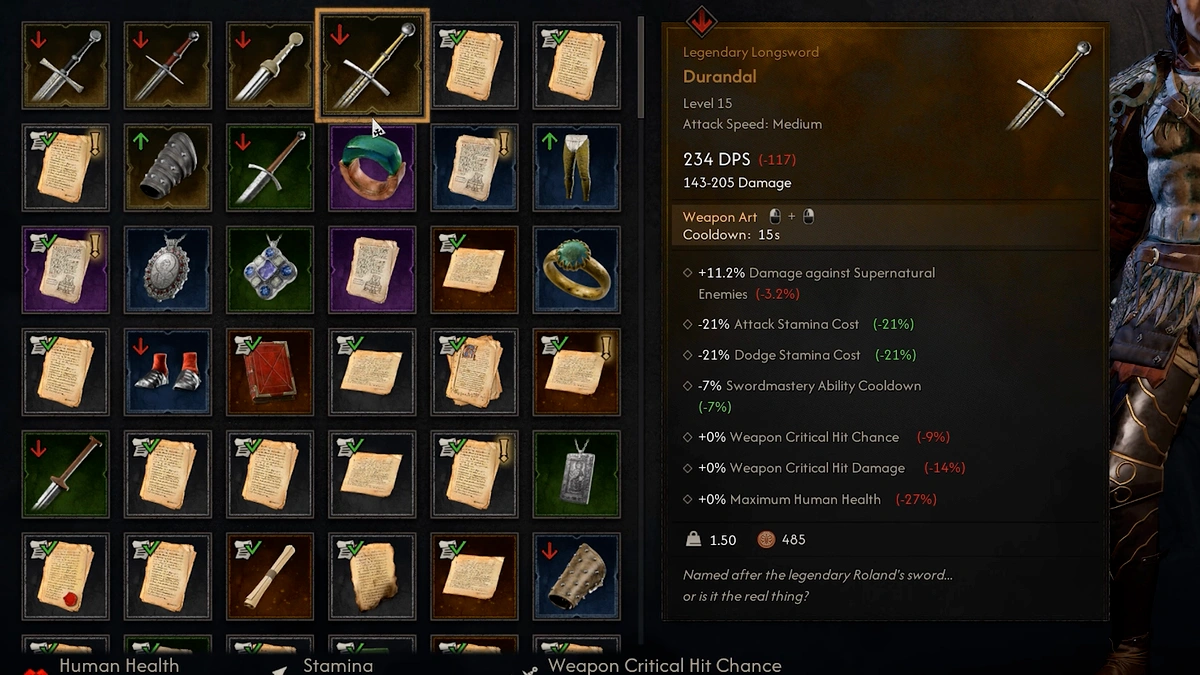
Its disadvantage is shorter reach, but its faster attack speed makes it useful for a playstyle focused on fitting many attacks into a short period.
This is especially important when your build contains effects that increase attack speed or create temporary openings where enemies cannot respond effectively.
If you still need the weapon itself, see our The Blood of Dawnwalker Gladius Location Guide.
Fast Weapons Work Well With Swiftness
The video specifically highlights the interaction between fast weapons and the Swiftness passive.
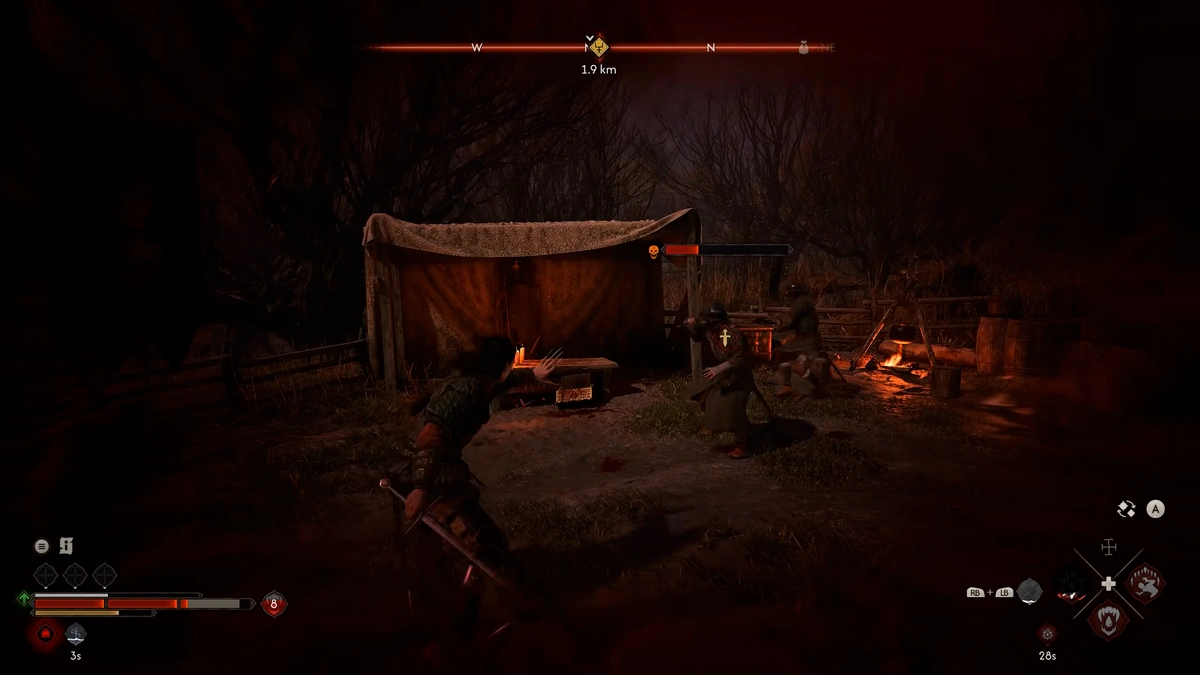
If your build already focuses heavily on Swiftness, pairing it with a fast weapon can increase the number of attacks you are able to perform during a short combat window.
The video also mentions combining this approach with a vampire ability that slows or restricts enemies, creating more opportunities to attack while the opponent has limited ability to respond.
The important build principle is straightforward:
Attack-speed bonuses become more valuable when your weapon already supports a fast attack rhythm.
Are Slow Weapons Bad?
No. The guide explicitly states that slow weapons are not necessarily worse.
They simply support a different playstyle.
If you prefer getting more attacks into a short period, a faster sword may feel better. If you want to focus more on individual-hit damage, a slower weapon can fit that style instead.
| Weapon Style | Best For |
|---|---|
| Fast Weapon | More attacks during short combat openings |
| Slow Weapon | More emphasis on individual-hit damage |
This makes weapon speed another factor to consider before committing resources to a legendary weapon.
Weapon Arts Can Be Completely Different
Different weapons can also have different special attacks or weapon arts.
The gameplay commentary notes that some swords use fairly standard cross-slash combinations, while others have much more distinctive weapon arts.
This means two weapons with similar general roles can still feel very different once their special attacks are included.
Erka’s Sword Has A Distinct Weapon Art
One example highlighted in the video is Erka’s Sword.
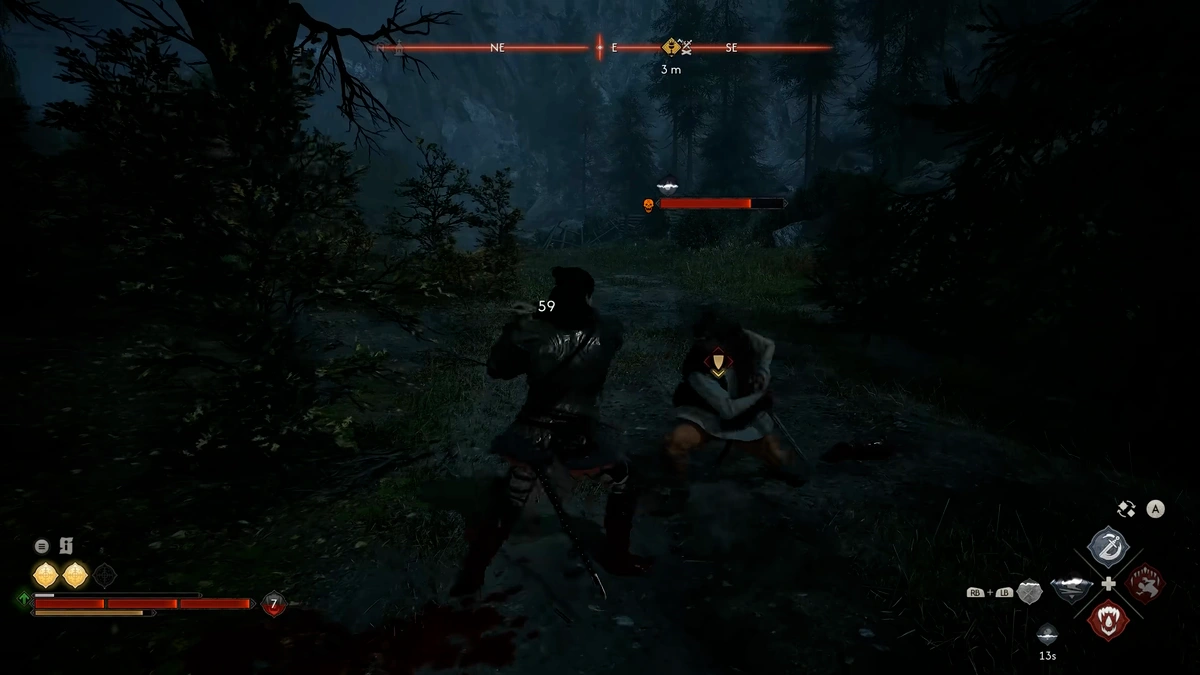
Its weapon art uses a distinctive sequence consisting of a jump backward, followed by a forward jump stab and another spinning slash.
The video specifically notes that this gives the weapon a noticeably different feel from many other sword special attacks.
However, uniqueness does not automatically mean the weapon art has the highest damage. This is another reason to choose weapons based on how they fit your preferred playstyle instead of judging them only by appearance or rarity.
Weapon Speed vs Weapon Art: Which Matters More?
Both should influence your decision.
Weapon speed affects your normal attack rhythm, while the weapon art determines what kind of special attack becomes available.
When comparing legendary weapons, ask:
- Do I prefer fast or slow normal attacks?
- Does the weapon fit the passive skills in my build?
- Do I like the weapon art?
- Will I actually use this weapon long enough to justify upgrading it?
These questions are more useful than simply collecting every legendary weapon as soon as you discover it.
Best Early Legendary Weapon Strategy
Based on the gameplay advice, an efficient approach is:
- Choose one legendary weapon that fits your current build.
- Use a limited number of legendary armor and jewelry pieces early.
- Invest upgrade resources mainly into equipment you actively use.
- Leave unnecessary legendary pickups untouched.
- Return for them later after gaining additional character levels.
- Compare weapon speed and weapon arts before replacing your current weapon.
Legendary Weapon Scaling Summary
| Question | Recommended Approach |
|---|---|
| Collect every legendary early? | No. Take the items you actually plan to use. |
| Do uncollected items scale? | The video states that items scale to your level when you pick them up. |
| Upgrade a main legendary? | Yes, if it remains your primary weapon. |
| Keep upgrading multiple unused legendaries? | Avoid doing so because it can waste resources. |
| Does weapon speed matter? | Yes. Different speeds support different playstyles. |
| Are all weapon arts the same? | No. Some weapons have distinct special attack sequences. |
How To Choose The Best Legendary Weapon For Your Build
There is no single rule in this video stating that one sword is always the best weapon for every character.
A better approach is to choose according to your build:
- Use faster weapons if your setup benefits from rapid attack sequences.
- Consider slower options if you prefer greater emphasis on individual hits.
- Pair attack-speed-focused setups with passives such as Swiftness.
- Consider the weapon art before investing heavily in upgrades.
- Only collect additional legendary weapons early if you genuinely intend to use them.
This approach lets you benefit from legendary equipment without wasting resources maintaining multiple weapons that never become part of your main setup.
