
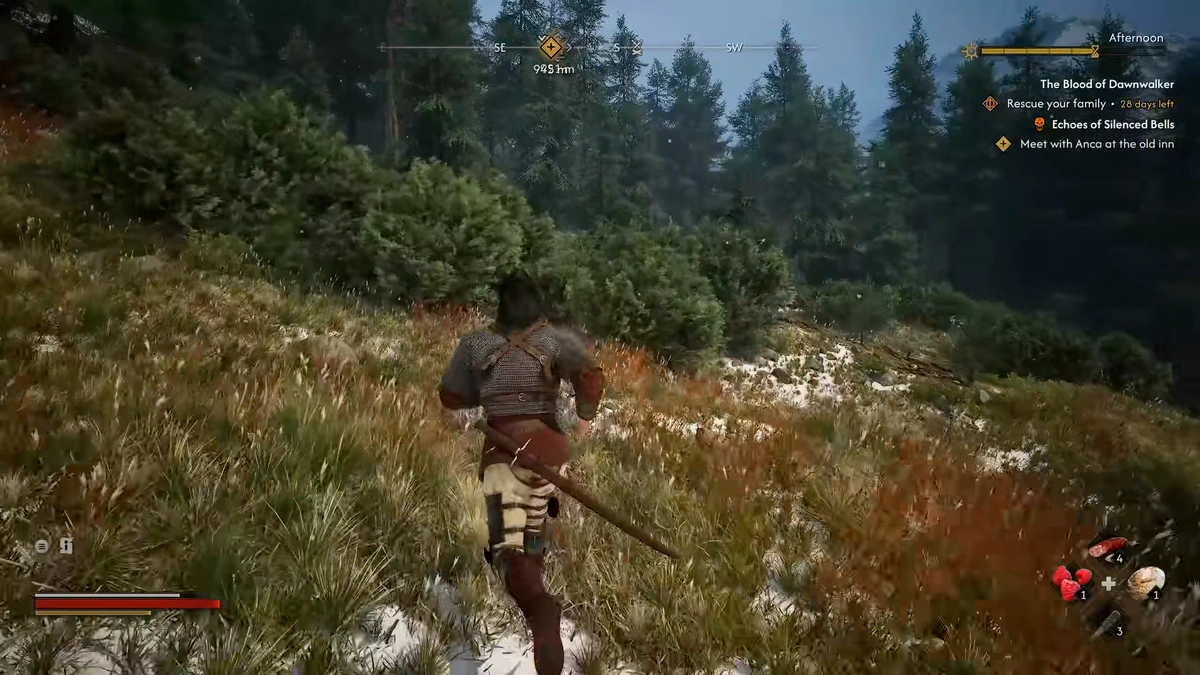
The time system is one of the most important mechanics in The Blood of Dawnwalker. Unlike traditional action RPGs where players can complete activities whenever they want, many decisions are connected to the progression of time.
Understanding how time works early will help you avoid wasting valuable opportunities and make better decisions during your first playthrough.
This guide explains the Time Segment system, how to read time cost indicators, why certain activities should be planned carefully, and how to manage your actions more efficiently.
How The Time System Works In The Blood of Dawnwalker
The Blood of Dawnwalker uses a time progression system that affects how players approach exploration, activities, and decisions.
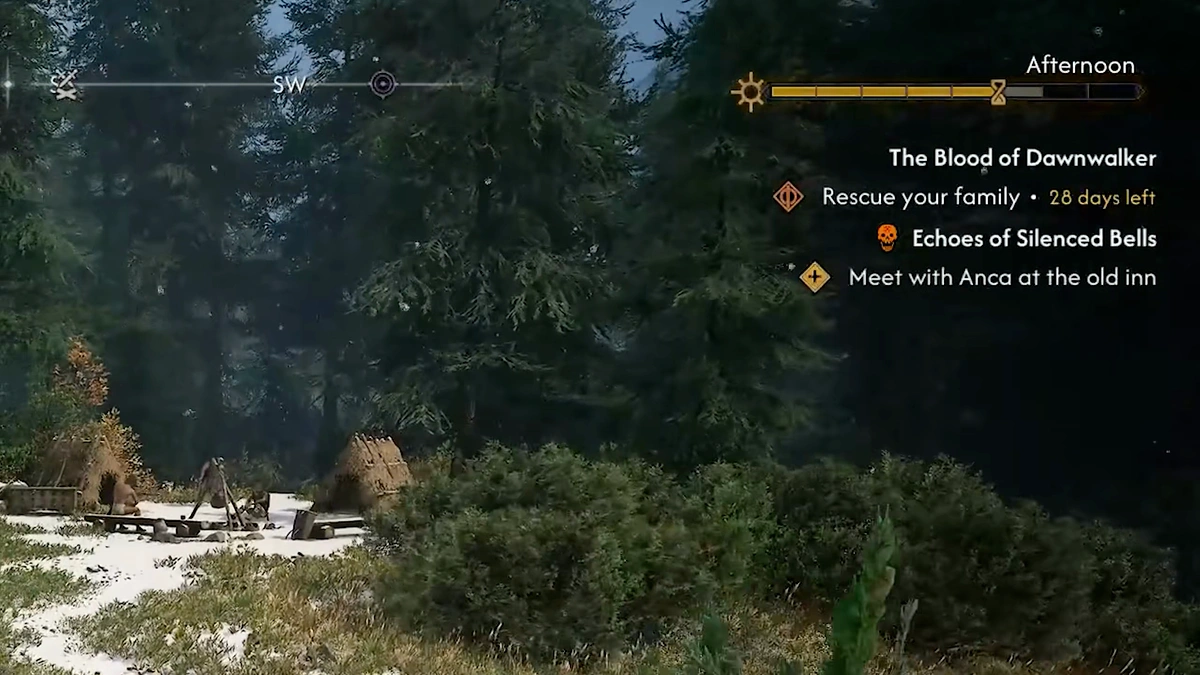
Instead of treating every action as free, some activities can advance the game’s timeline.
This means players need to think about whether an action is worth completing before committing to it.
The most important habit for new players is learning that time itself is a resource. Spending it on unnecessary actions can reduce your flexibility later.
Why Time Management Matters
Many beginner mistakes come from treating every optional activity as something that should be completed immediately.
However, when actions affect time progression, completing everything you see can create problems.
Good time management means asking three questions before committing:
- Does this action provide an important reward?
- Does this help my current build or progression?
- Is spending time here better than another activity?
A careful player does not avoid all optional activities. Instead, they prioritize activities that provide the most value.
Understanding The Hourglass Time Cost Preview
One of the most useful systems explained in the guide is the hourglass indicator.
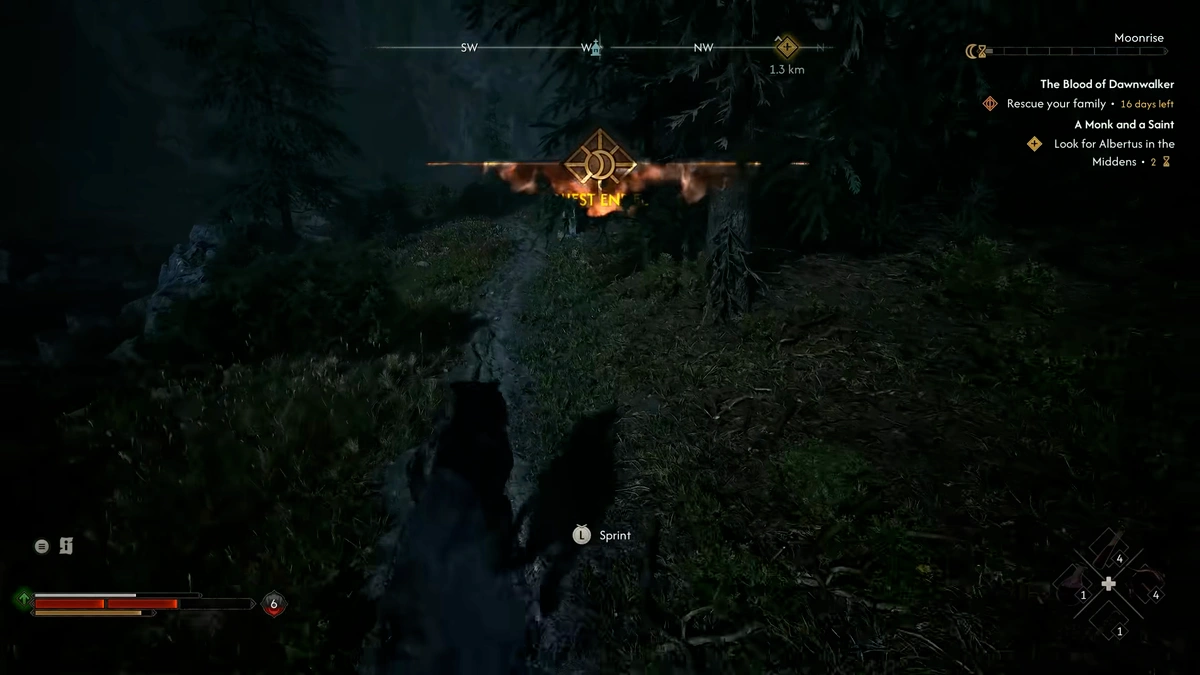
Before performing certain actions, the game can show whether the activity will affect time progression through the hourglass preview.
This allows players to make informed decisions before starting an activity.
How To Use The Hourglass Indicator
- Check the indicator before important actions.
- Understand whether the activity will advance time.
- Decide if the reward justifies the cost.
Ignoring this information is one of the easiest ways to accidentally lose control of your schedule.
Why You Should Not Repair Every Broken Shrine
Shrines are one of the examples where poor time management can hurt your progression.
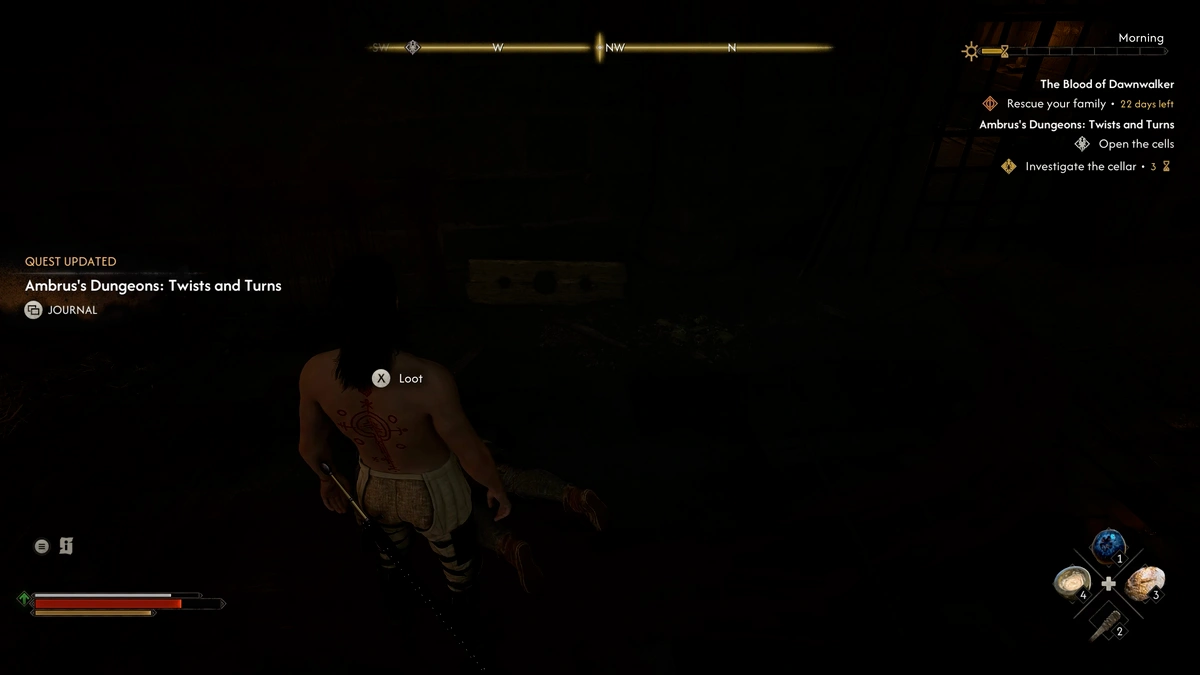
The guide specifically warns against repairing every broken shrine immediately because these actions can consume time.
While shrine repairs may provide benefits, repairing every shrine without considering the cost can prevent you from using that time elsewhere.
Better Shrine Decision Strategy
Instead of automatically repairing every shrine:
- Evaluate the value of the shrine.
- Consider your current progression needs.
- Avoid spending time just because an option exists.
The key lesson is not that shrines are useless, but that timing matters.
Activities Can Also Affect Time Progression
Shrines are not the only example. Other activities can also influence the progression of time.
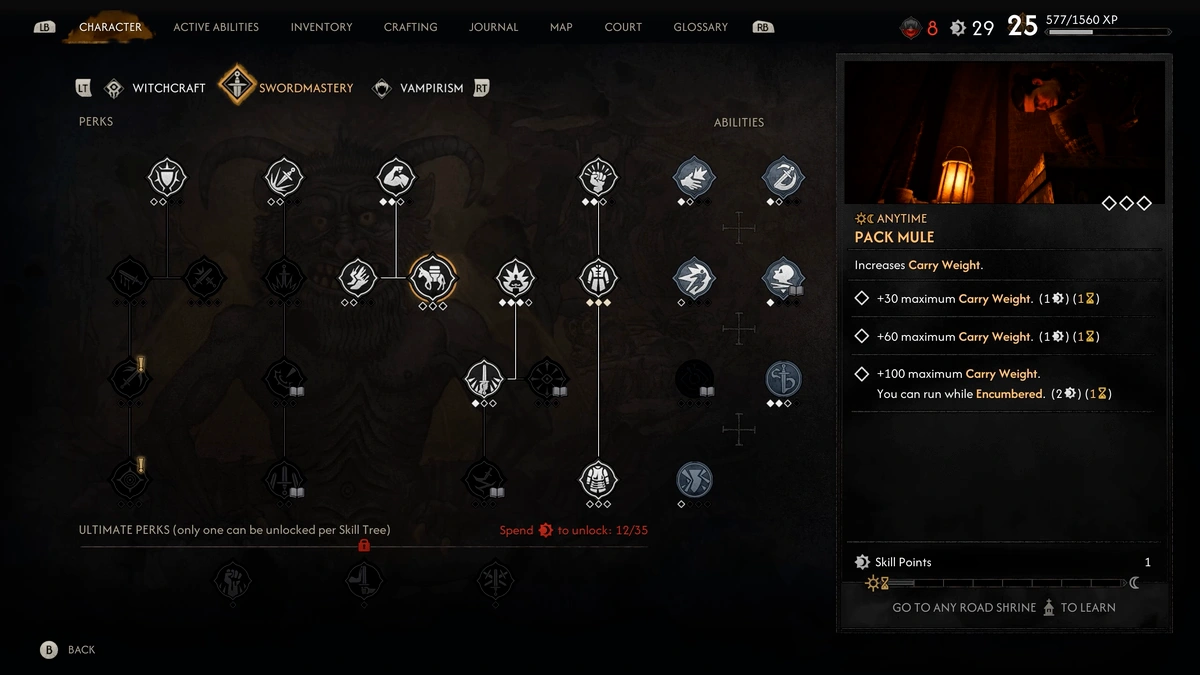
This changes how players should approach side content.
Instead of completing every available activity immediately, consider whether the activity supports your current goals.
A good approach is to group activities together when possible and avoid unnecessary actions that do not provide enough value.
Common Time Management Mistakes
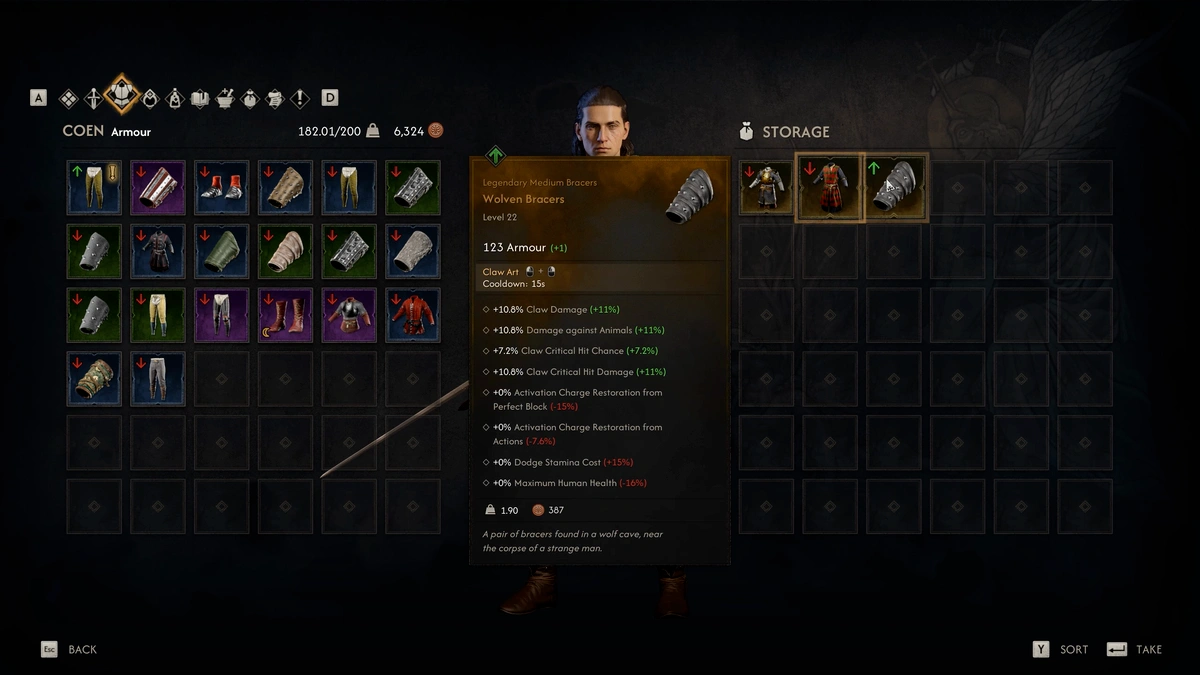
New players often waste time because they do not consider the long-term effect of their choices.
Mistake 1: Completing Everything Immediately
Exploring everything and completing every activity as soon as possible may feel natural, but some actions may not be worth the time investment.
Mistake 2: Ignoring Time Indicators
The hourglass preview exists to help players make better decisions. Ignoring it removes important information from your decision-making process.
Mistake 3: Spending Time Without A Goal
Before starting optional activities, think about what you want to achieve:
- Level progression.
- Equipment improvement.
- Skill development.
- Story progression.
How To Save Time During Your Playthrough
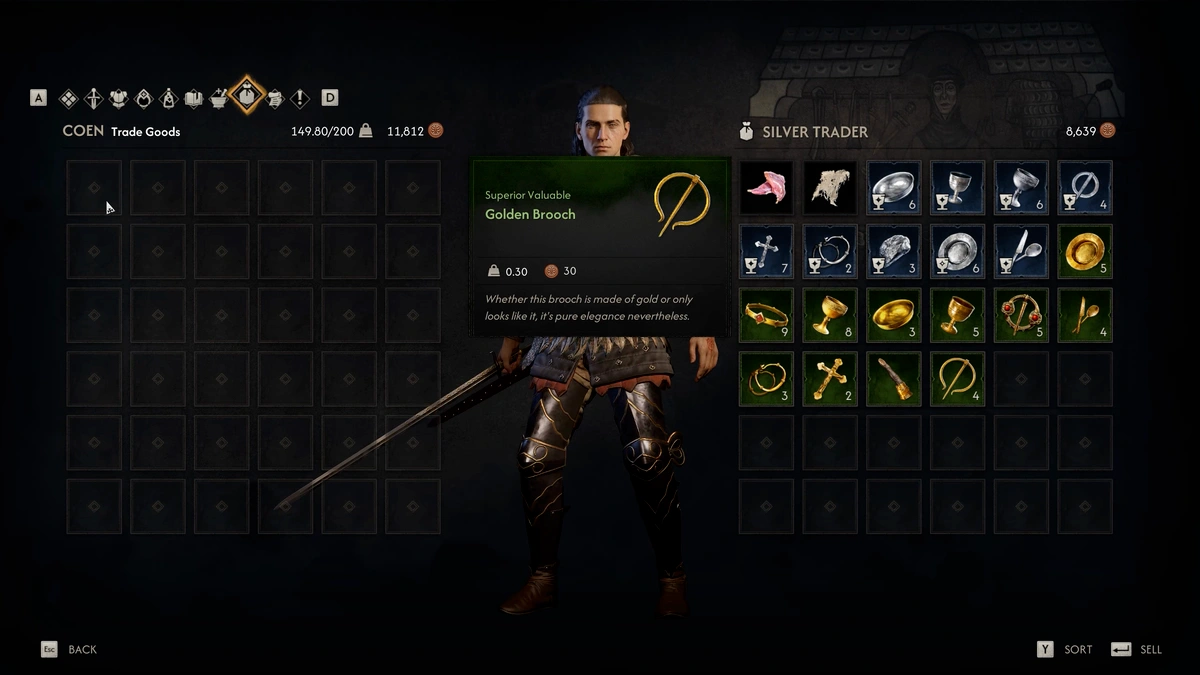
Effective time management does not mean avoiding exploration. It means making your actions more intentional.
Plan Before Committing
Before starting an activity, decide whether it supports your current objective.
Prioritize High Value Actions
Actions that improve your build, progression, or exploration should usually take priority over optional tasks with smaller benefits.
Avoid Automatic Decisions
Do not repair, complete, or collect something simply because it is available. Consider the impact first.
Best Time Management Strategy For Beginners
For a first playthrough, a simple strategy works well:
- Check the time cost indicator before important actions.
- Prioritize progression that improves your character.
- Avoid unnecessary repairs and activities.
- Plan your exploration instead of wandering without direction.
- Save time for important story and character progression.
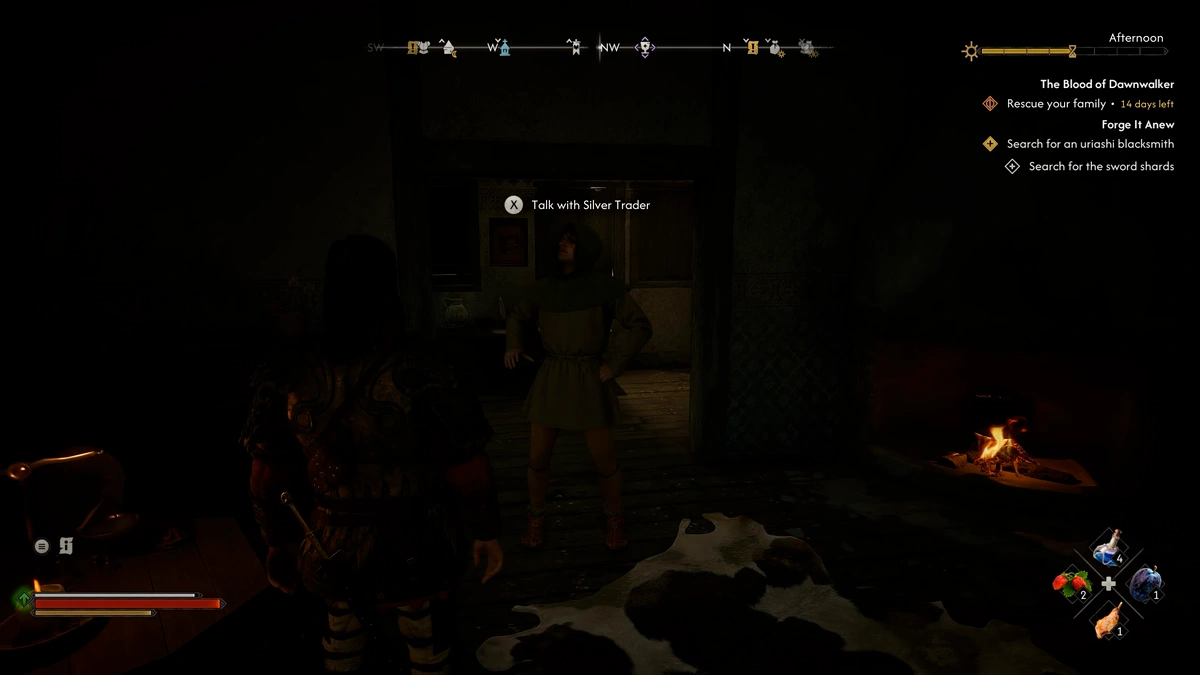
Time Management Tips Summary
| System | Beginner Advice |
|---|---|
| Hourglass Preview | Always check before committing to an action. |
| Shrines | Do not repair everything immediately. |
| Activities | Choose actions that provide meaningful value. |
| Exploration | Plan your route instead of wasting time. |
Final Thoughts
Time management is one of the mechanics that separates a smooth playthrough from a frustrating one in The Blood of Dawnwalker.
The biggest mistake is treating time as unlimited. By checking time costs, prioritizing valuable activities, and avoiding unnecessary actions, players can make much better progress.
Learning the time system early will also help with future decisions involving skills, equipment, quests, and character progression.
